Focused arrival windows
Useful updates and clear arrival timing.
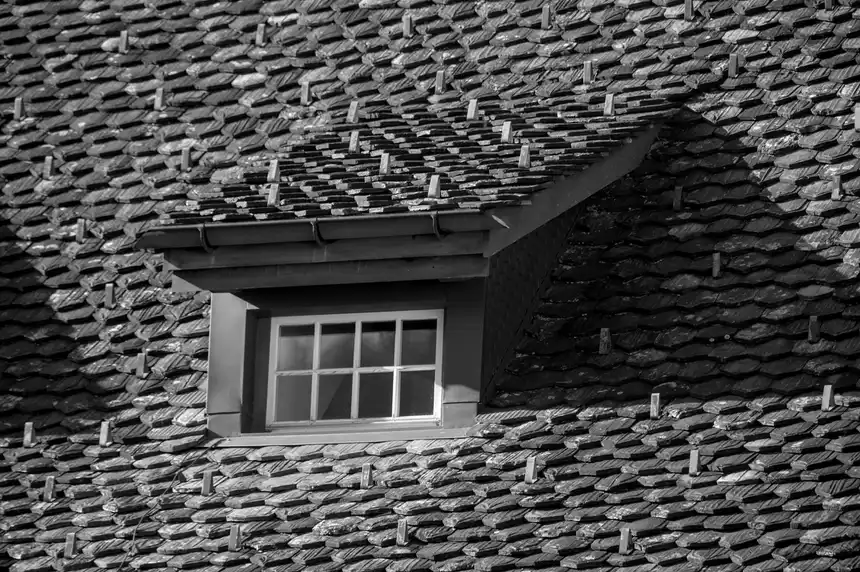
When water stains spread across your ceiling, you need roof leak detection and repair Freeport NY homeowners call first. We trace the entry point with moisture meters and hose testing, then fix the flashing, shingle, or membrane failure at the source. Our team serves Freeport and Nassau County with same-day emergency response, so a small drip never becomes a rotten deck.
Useful updates and clear arrival timing.
Review the approach and price before deciding.
Equipped vehicles and respectful cleanup.
Neighbors serving neighbors with follow-through.
Every leak call includes a full inspection, source tracing, repair, and verification. Here is what you get when you hire us, and what we treat as a separate project if the damage goes beyond the leak itself.
We walk the entire roof, not just the area above the stain. We check shingles, flashing, pipe boots, valleys, vents, and the ridge. We also inspect the attic or ceiling cavity for moisture damage and mold.
We use moisture meters and infrared scanning to trace where water has traveled. Then we run controlled water tests on the roof to confirm the exact entry point. This step is what separates a real repair from a guess.
We fix the failed component, whether that is a shingle, a section of flashing, a pipe boot, or a membrane seam. We install new underlayment and ice and water shield around the repair so it holds up to weather.
After the repair, we retest the area to confirm it is dry. You get a written summary with photos of what failed and what we fixed. If you file an insurance claim, this documentation supports your case.
We check the attic, insulation, and ceiling for water damage and mold. If the leak has been active for a while, we tell you what interior repairs may be needed and whether the damage is covered by insurance.
Share what is happening and receive a clear next step from the local team.
Roof leak detection and repair Freeport NY is the process of tracing where water enters a roof, fixing that exact failure point, and verifying the repair holds under real weather. We start with a full roof inspection, then use moisture meters, infrared scanning, and controlled water testing to follow the path water takes through underlayment, roof flashing, and decking. Once we find the source, we repair or replace the failed material, seal it with roofing sealant, and retest before we leave.
Freeport roofs take a beating from nor'easters, summer downpours, and winter ice dams. A single missing shingle or failed pipe boot can push water into your attic for weeks before you see a stain. If you have been searching for roof leak detection near me Freeport NY, our team responds fast, documents the damage, and gives you a clear repair plan. We also handle the hidden leaks that only show up as musty odors or rising utility bills.
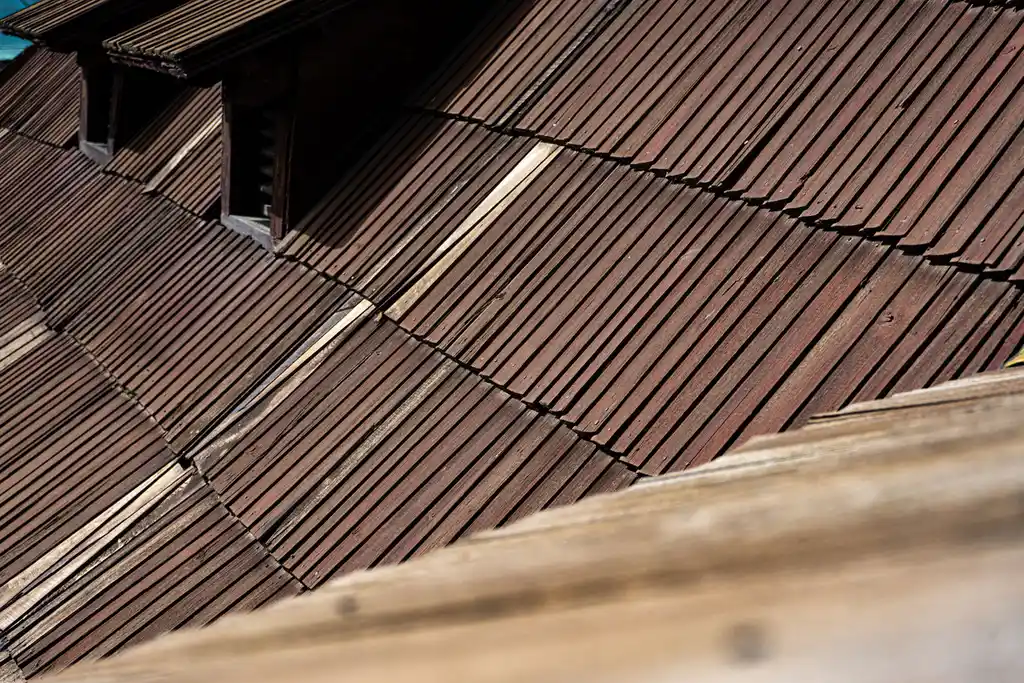
We ask where the water is showing up, how long it has been happening, and whether it is active right now. If the leak is urgent, we dispatch a crew the same day. If it is intermittent, we schedule a full inspection within 24 to 48 hours and tell you what to watch for in the meantime.
A technician walks the full roof with a roofing safety harness and ladder stabilizer, checking shingles, flashing, pipe boots, valleys, and ridge vent. We photograph every suspect area and note the roof age, material type, and any previous repairs that may be failing.
We use moisture meters and infrared scanning inside the attic or ceiling cavity to map where water has traveled. This step separates the visible stain from the actual entry point, which is often 10 to 15 feet away on a different roof plane or around a chimney.
We run controlled water from a hose over suspect areas one at a time until the leak shows up. Once we confirm the source, we make the repair: new flashing, replaced shingles, resealed seams, or a patched membrane. Most repairs take two to four hours.
After the repair, we retest the same area to confirm it is dry, then give you a written summary with photos of what failed and what we fixed. If we found additional issues that are not leaking yet, we flag them so you can plan ahead instead of waiting for the next storm.
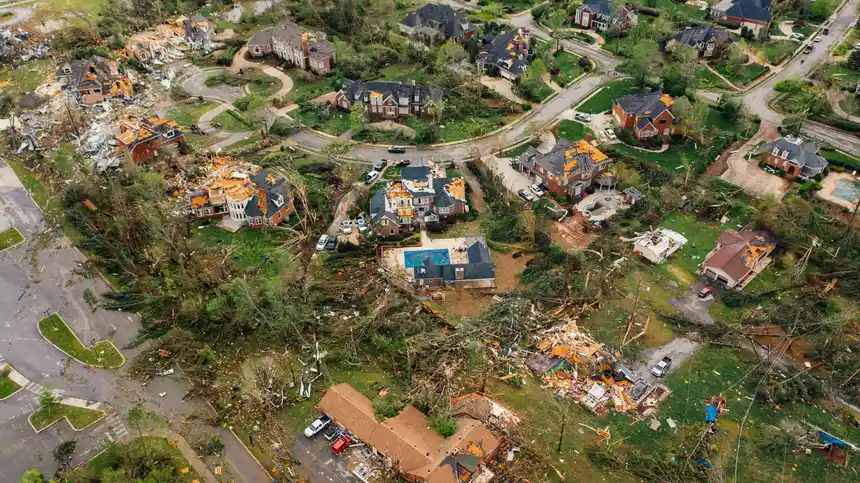
We use pin and pinless moisture meters to measure water content in decking, insulation, and drywall. This tells us how far water has traveled and where the leak started.
Infrared scanning shows temperature differences caused by wet materials. It is the fastest way to find hidden moisture inside walls and ceilings without tearing anything open.
Every technician wears a roofing safety harness and sets a ladder stabilizer before stepping on the roof. Safety gear keeps our crew safe and prevents damage to your gutters and siding.
We run controlled water over suspect areas one at a time to confirm the exact entry point. This step turns a guess into a confirmed diagnosis before we make any repair.
These are the hand tools we use to remove damaged shingles and flashing without damaging the surrounding roof. A clean removal makes for a stronger repair.
We use a roofing nail gun and air compressor to fasten shingles and underlayment quickly and consistently. Proper fastener placement is what keeps a repair from failing in the next storm.
We isolate sections of the roof and run water over them one at a time, starting low and working up. When the leak appears inside, we know exactly which section is the source. This method is slow but accurate, and it prevents unnecessary repairs.
Before we go on the roof, we inspect the attic for water stains, wet insulation, and daylight. Water leaves a trail, and the attic tells us which direction it came from. This step often narrows the search to a single roof plane.
Most leaks start at flashing, pipe boots, chimneys, and skylights, not in the middle of a shingle field. We inspect every penetration and check the step flashing, counter-flashing, and sealant. If the flashing is failed, we replace it, not just reseal it.
After every repair, we retest the area with water to confirm the leak is stopped. We do not leave until the repair holds. If the leak persists, we keep looking until we find the real source.
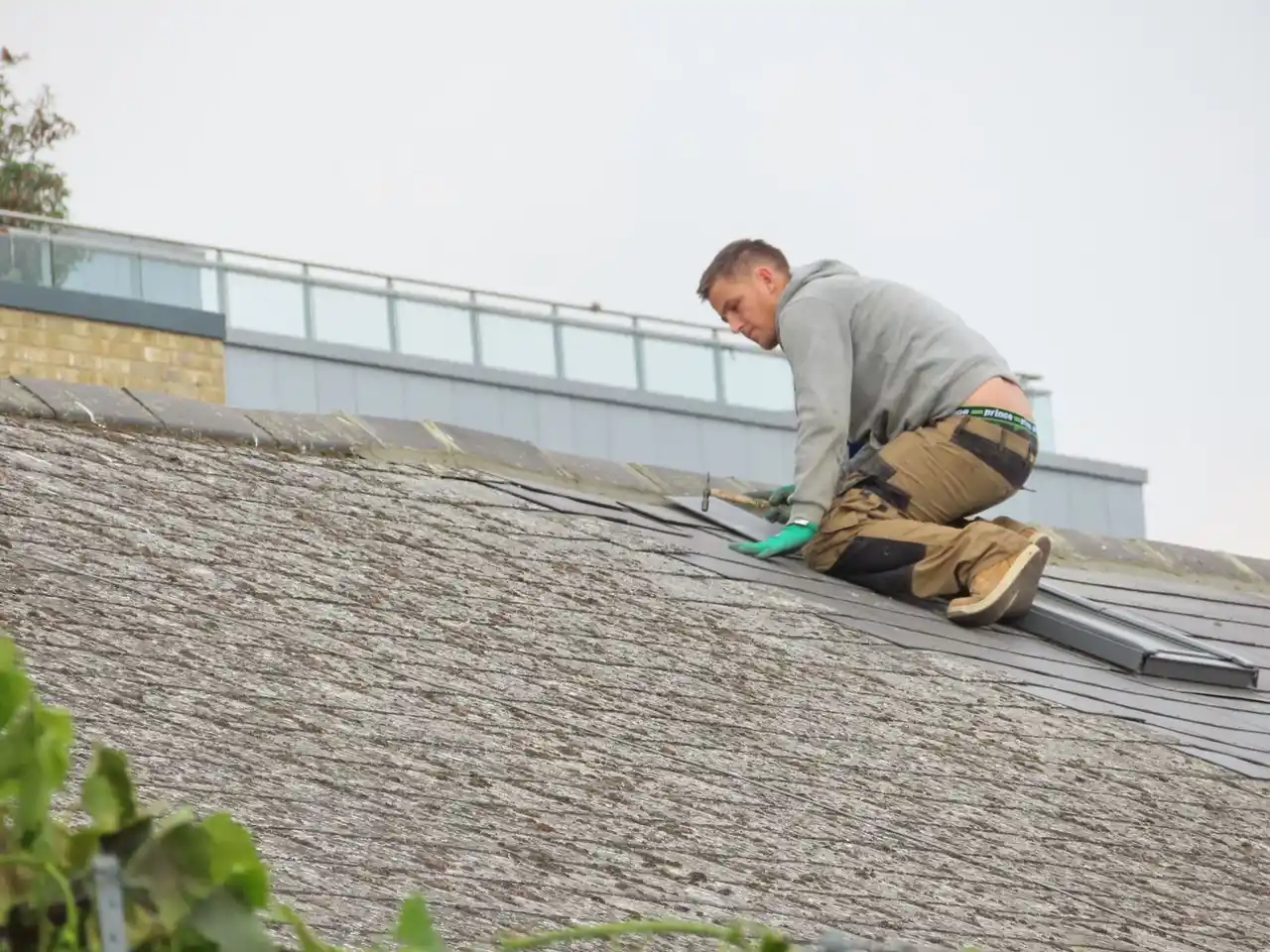
We inspect the roof and attic, trace the leak with moisture meters, and repair the source. Most ceiling stains we see come from failed flashing or a pipe boot, not the shingle directly above the stain. The leak is fixed the same day, and you get photos and a report showing what failed and what we repaired.
Musty odors usually mean a slow, hidden leak. We use infrared scanning and moisture meters to find wet insulation and decking, then trace the source on the roof and repair it before mold spreads. The hidden leak is found and fixed, and you know exactly which areas need to dry out or be replaced.
We dispatch an emergency crew with tarps and temporary patch materials. We stop the water that night, then return the next clear day to make the permanent repair and document the damage for your insurance claim. Water damage is stopped immediately, and your insurance claim is supported by photos and a written report.
We inspect the membrane, seams, drains, and HVAC penetrations. Flat roof leaks travel sideways under the membrane, so we use moisture mapping to find the true entry point and repair it with heat-welded patches or new membrane. The leak is fixed at the source, and we correct any drainage issues that were making the problem worse.
Freeport sits on the South Shore, which means salt air, coastal storms, and freeze-thaw cycles that stress every roof. Asphalt shingles dry out faster here, flashing corrodes, and ice dams form along the eaves during cold snaps. We also see a lot of flat roofs on commercial buildings near the waterfront, where ponding water and clogged drains cause membrane leaks. When you call us for leak detection and repair Freeport New York, we bring the tools and materials to handle coastal roof conditions, not just a tube of sealant. If you need roof leak repair cost Freeport New York pricing, we give you a written estimate before we start. Our team has been working on Nassau County roofs since 2005, so we know the building stock and the weather patterns in your neighborhood.
Coastal homes here face salt spray and high winds that loosen flashing and shingles. We check fasteners and flashing carefully after every storm.
Commercial buildings with flat roofs are common downtown. We repair TPO and EPDM membrane leaks and clear clogged drains that cause ponding water.
Most homes here have asphalt shingle roofs. The most common leaks we find are failed pipe boots, chimney flashing, and ice dam damage at the eaves.
Restaurants and businesses near the Nautical Mile have PVC and TPO roofs that need grease-resistant repairs. We handle commercial membrane leaks in this area regularly.
High winds tear shingles and bend flashing, opening the roof to water. We respond with emergency tarping and permanent repairs after the storm passes.
Water seeps into small cracks, freezes, and expands, making them bigger. This is how small flashing failures become major leaks over one winter.
Salt air corrodes metal flashing, fasteners, and vents faster than inland areas. We inspect these components closely and replace them when corrosion is advanced.
UV rays dry out shingle asphalt and make it brittle. Brittle shingles crack and blow off in the next storm, which is why we check shingle condition during every leak inspection.
A homeowner in Freeport had a brown water stain spreading across the ceiling for three weeks. Two other contractors patched shingles above the stain, but the leak continued. The attic insulation was wet, and the stain was growing.
We used a moisture meter to trace the leak to a cracked pipe boot 12 feet from the stain. We replaced the boot, installed new underlayment, and verified the repair with a water test. The ceiling stayed dry through the next storm.
Maintenance: Check pipe boots and flashing every spring. If the rubber boot is cracked or the flashing is loose, replace it before the next rainy season.
A commercial building near the Nautical Mile had water dripping into a storage room every time it rained. The TPO membrane looked fine from the ground, but water was ponding on the roof and finding a seam.
We cleared the clogged drain, patched the failed seam with a heat-welded TPO patch, and corrected the ponding issue. The leak stopped, and the roof has stayed dry through multiple storms. The repair cost a fraction of a full replacement.
Maintenance: Clear drains and debris from flat roofs at least twice a year. Ponding water is the number one cause of membrane leaks.
After a February cold snap, a homeowner in Merrick noticed water stains on the ceiling near the eaves. Ice had backed up under the shingles and melted into the attic. The underlayment was torn, and several shingles were damaged.
We removed the ice dam, replaced the damaged shingles and underlayment, and added ice and water shield along the eaves. We also improved attic ventilation to prevent future ice dams. The ceiling stayed dry for the rest of the winter.
Maintenance: Keep attic insulation and ventilation in good shape. If ice dams form every year, add ice and water shield along the eaves and improve airflow.
Most leaks we see in Freeport come from the same handful of failure points. Here are the most common problems and how we fix them.
A brown stain means water has been traveling through your attic for weeks. By the time you see it, insulation and decking may already be wet and rotting. We trace the stain back to its source using moisture meters and water testing. Then we repair the failed shingle, flashing, or pipe boot and verify the repair holds. We also assess the interior damage and tell you what needs to dry out or be replaced.
Flashing around chimneys and skylights fails over time, and the leak often shows up far from the actual opening. Water can run along rafters and drip into a completely different room. We inspect the flashing, step flashing, and counter-flashing around every penetration. We remove and replace failed flashing, reseal the joints with roofing sealant, and test the area with water before we leave.
Ice dams form when heat escapes through the roof and melts snow, which refreezes at the eaves. Water backs up under shingles and leaks into the house, often during the coldest weeks of January and February. We remove the ice dam safely, repair any damaged shingles or underlayment, and check your attic insulation and ventilation. If ice dams are a recurring problem, we recommend adding ice and water shield and improving attic airflow.
Water that sits on a flat roof for more than 48 hours stresses the membrane and finds every weak seam. Over time, ponding water causes blisters, cracks, and leaks that are hard to trace. We inspect the membrane, drains, and seams, then repair the leak and correct the drainage. That may mean clearing clogged drains, adding a tapered insulation layer, or patching low spots in the membrane.
We had a stain spreading on our ceiling for weeks and two other companies could not find the source. Roof Repaire Freeport sent a technician who used a moisture meter and found the leak was coming from a failed pipe boot 12 feet away from the stain. He fixed it in two hours and the ceiling has been dry ever since. Worth every penny.
A tenant called at 9 p.m. during a storm with water pouring through the ceiling. I called Roof Repaire Freeport and they had a crew out within two hours to tarp the roof. They came back the next morning and made the permanent repair. Professional, fast, and they documented everything for my insurance claim.
After a nor'easter, we noticed water stains in our attic. Roof Repaire Freeport inspected the roof, found hail damage we did not know about, and repaired the leaks. They also gave us photos and a report that helped our insurance claim go through without any hassle. Honest and thorough.
Most roof leak repairs in Freeport run $350 to $1,200 depending on the source and roof type. A simple pipe boot or flashing reseal sits at the low end. A repair that requires pulling shingles, replacing decking, or working on a steep pitch costs more. Emergency calls and after-hours work add a dispatch fee. We give you the exact price before we start, so there is no guessing.
Start in the attic during or right after a rainstorm. Look for water stains on rafters, wet insulation, or daylight coming through the roof deck. If you cannot find it, call us. We use moisture meters and infrared scanning to trace the leak from the inside, then run controlled water tests on the roof to confirm the exact entry point. Most leaks we find are not directly above the ceiling stain.
Roof Repaire Freeport handles leak detection and repair for homes and commercial buildings across Freeport and Nassau County. We have been in business since 2005, and our technicians are trained on asphalt shingles, TPO membrane, EPDM membrane, and modified bitumen systems. Call us and we will schedule an inspection, usually within 24 to 48 hours for non-emergency leaks.
Yes, for active leaks we offer same day roof leak detection Freeport NY appointments. If water is coming through your ceiling, call us first thing in the morning and we will get a crew out that day. We carry tarps and temporary patch materials to stop the water immediately, then schedule the permanent repair. After-hours emergency calls are also available for storm damage.
Not seeing your question? Our local team can help you understand urgency, scheduling and what to expect.
Ask the local team
If your roof is at the end of its life and leaking in multiple spots, a full installation with new underlayment and ice and water shield is often cheaper than repeated repairs. We install GAF and Owens Corning systems built for Long Island weather.
View serviceWhen leak repairs pile up and the decking is rotting, replacement makes more sense than patching. We tear off the old roof, replace damaged decking, and install a new system with a manufacturer warranty. Most homes are done in one to two days.
View service
Beyond leaks, we fix missing shingles, damaged flashing, failed pipe boots, and storm-damaged areas. If you are not sure whether you need a repair or a replacement, we inspect the roof and give you an honest recommendation with pricing for both options.
View service
A full roof inspection catches small problems before they become leaks. We check shingles, flashing, valleys, vents, and decking, then give you a written report with photos. It is the best way to plan ahead instead of reacting to water in your ceiling.
View service
Call 342425679 or email us and we will get back to you the same business day. For active leaks and storm damage, we answer around the clock. We serve Freeport and the surrounding Nassau County communities, and we can usually schedule an inspection within a few days.